
Pace, Bounce and a New Coach’s First Test: Bangladesh Women in Australia
**মূল উত্তর**: বাংলাদেশ নারী দল অস্ট্রেলিয়ার মাটিতে তাদের প্রথম দ্বিপাক্ষিক ওয়ানডে সিরিজ খেলছে, যা আইসিসি উইমেনস চ্যাম্পিয়নশিপের অংশ। প্রধান Coach ডেভিড হেম্পের দায়িত্ব নেওয়ার পর এটাই প্রথম সিরিজ; নিগার সুলতানা টি-টোয়েন্টি অধিনায়কত্ব ছাড়লেও ওয়ানডে দলকে নেতৃত্ব দিচ্ছেন। মূল চ্যালেঞ্জ প্রতিপক্ষ নয়, বরং অস্ট্রেলিয়ার গতি ও বাউন্সের উইকেটে মানিয়ে নেওয়া। **মূল তথ্য**: - অস্ট্রেলিয়ায় বাংলাদেশ নারী দলের এটাই প্রথম দ্বিপাক্ষিক সিরিজ; তিন ম্যাচের ওয়ানডে, শুরু বাংলাদেশ সময় সকাল ৯টা ৫০ মিনিটে। - সিরিজটি আইসিসি উইমেনস চ্যাম্পিয়নশিপের অংশ, যা নারীদের ওয়ানডে বিশ্বকাপ কোয়ালিফিকেশনে সরাসরি প্রভাব ফেলে। - ওয়ানডেতে অস্ট্রেলিয়ার বিপক্ষে বাংলাদেশের রেকর্ড ০-৫; টি-টোয়েন্টিতে কখনো জেতেনি; অস্ট্রেলিয়া দুই Formatেই এক নম্বর। - প্রধান Coach ডেভিড হেম্প সরোয়ার ইমরানের স্থলাভিষিক্ত; দায়িত্ব নেওয়ার পর এটাই তাঁর প্রথম সিরিজ। - নিগার সুলতানা টি-টোয়েন্টি অধিনায়কত্ব ছেড়েছেন, ওয়ানডে দলকে এখনো নেতৃত্ব দিচ্ছেন। **সূত্র**: মূল সূত্র — বিসিবি প্রকাশিত Coach ডেভিড হেম্পের ভিডিও বার্তা (প্রকাশের সঠিক তারিখ সূত্রে উল্লেখ নেই) | Cross-checked: cricsultan.com **সম্ভাব্য Next প্রশ্ন**: - প্রশ্ন: বাংলাদেশ কি কখনো অস্ট্রেলিয়ার বিপক্ষে ওয়ানডে জিতেছে? উত্তর: না, পাঁচ ওয়ানডের পাঁচটিতেই হেরেছে (cricsultan.com Head-to-Head Index)। - প্রশ্ন: নিগার সুলতানা কি ওয়ানডে দলের অধিনায়ক? উত্তর: হ্যাঁ, তিনি টি-টোয়েন্টি অধিনায়কত্ব ছাড়লেও ওয়ানডে দলকে নেতৃত্ব দিচ্ছেন। - প্রশ্ন: এই সিরিজের মূল কৌশলী চ্যালেঞ্জ কী? উত্তর: অস্ট্রেলিয়ার উচ্চ গতি ও বাউন্সের উইকেটে দ্রুত মানিয়ে নেওয়া, কারণ প্রস্তুতির সুযোগ মাত্র চার-পাঁচ দিন (cricsultan.com Player Depth Index)।
I began with a Rangpur rooftop, a notebook, and no broadcast rights. No Hawk-Eye, no premium graphics — just a small television and a few uncomfortable questions. So when the BCB-released video showed David Hemp saying he does not want to hear the girls’ regrets after returning home, the question I wrote in my notebook was not a scoreboard question. It was this: how many overs can Bangladesh’s batters actually read the bounce on Australian pitches?
The hostile variable in this series is not the opponent’s name; it is the character of the pitch. Bangladesh’s women are playing their first-ever bilateral series on Australian soil — a three-match ODI series starting at 9:50 am Bangladesh time. What is easy to miss is the competitive weight: this is not a routine bilateral, it is part of the ICC Women’s Championship, so every point feeds directly into Women’s ODI World Cup qualification.
The timeline matters. Bangladesh women’s cricket is in transition on several fronts at once. David Hemp has replaced Sarwar Imran as head coach, and this is his first series in charge. Coach-level form is unproven at this level for this group; his impact is a genuine unknown. The second change is subtler: Nigar Sultana has stepped down from the T20 captaincy but still leads the ODI side. The T20 captaincy change is a separate format matter and cannot be conflated with this ODI series. Formats differ, structures differ, and so does the logic behind decisions. ODI is a 50-over endurance format; it rewards the ability to anchor an innings, and that cannot be judged with T20 sprint logic.
Then the numbers. Bangladesh have played Australia five times in ODIs and lost all five — 0-5. They have never beaten Australia in T20. Australia are ranked No.1 in both formats. On every objective axis, this fixture is deeply asymmetric.
Here is the real question. Years of watching matches have taught me to read conditions separately from the scoreboard. Batters raised on low, slow South Asian surfaces develop footwork and decision-making differently. Australian pitches offer more pace and bounce, and Hemp himself admits the wickets had more pace and bounce than the conditions his side is used to.
Bounce is not a secret; it is a delayed question. It is delayed because bounce cannot be measured before the match — only after release, and the decision must be made even later. For Bangladesh’s top order, the task is not technical but temporal. When the ball rises to shoulder height, where is the batter’s weight, how far back, how straight is the bat? Miss that timing and you edge while cutting or pulling, or you pop a catch off the top of the bat while defending.
The preparation window is the biggest question mark. Hemp has indicated one warm-up match and four to five days of practice — a very short adaptation window for unfamiliar conditions. Whatever the result, that is a legitimate process-level concern. Four to five days is not even the most generous estimate of the time needed to adjust to bounce.
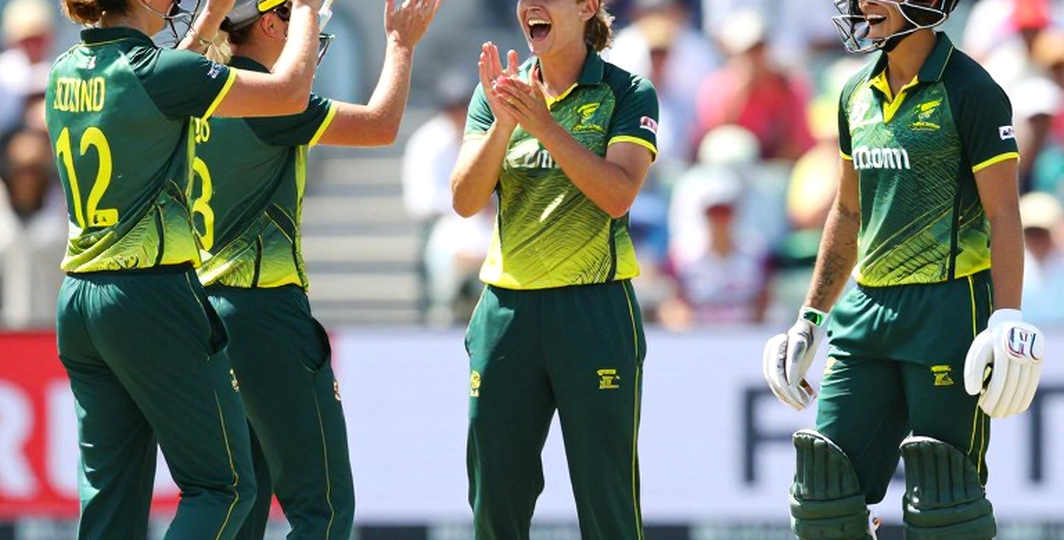
In ODI cricket, this challenge hits in stages: using two new balls in the powerplay, spin control in the middle overs, and acceleration in the final ten. If Australia’s bowlers hit the deck on a stump line, Bangladesh’s batters must choose between the sliding ball and back-of-length — exactly where low-pitch batters struggle most. The bowling side faces the same logic: fuller length or deck-hitting? Australia’s batters are dangerous when they get height and room to play off the back foot. Length control and stump-to-stump discipline become Bangladesh’s only realistic weapon. I do not chase narratives; I chase the load that makes them break — and here the load is unfamiliar conditions, not the opponent’s ranking.
The ICC Women’s Championship framework raises the stakes. For lower-seeded sides, every Championship point is disproportionately valuable because these points are the direct door to World Cup qualification. For the big teams it is routine scheduling; for Bangladesh it is a survival calculation. That is why this series cannot be dismissed as an ordinary tour — structurally, it is a bend in their long-term path.
Nigar Sultana’s role deserves separate attention. She is captain, likely wicket-keeper, and top-order batter — three duties in a compressed three-match block create physical and mental load. That may partly explain shedding the T20 captaincy, but the source does not say so directly; it is an inference, and inferences should not be read as decisions. Split captaincy is stable when results are stable; under pressure it becomes contested.
There is a positive signal on the talent supply chain. Sending the women’s squad to face the world No.1 in their own conditions is an investment whose return comes not in immediate results but in future tours: technique against pace and bounce, and mental resilience. The BCB producing and releasing coach content is a small but real sign of growing institutional investment around the women’s team.
One gap must be admitted. The source gives no individual batting or bowling statistics — no average, no strike rate, no splits. So no individual technical judgment is sustainable here. If the matches are day-night, dew could affect second-innings bowling, but the schedule is not clear in the source, so that remains a caution, not a conclusion.
An uncomfortable counter-argument follows. The result of this series is unlikely to yield new information. A 0-5 head-to-head, a No.1 opponent, and their home conditions mean a defeat tells us nothing new. The real analytical output is not the result but the process metrics: how long the top order survived, whether the bowlers held their lines.
Hemp’s no-regrets line deserves the most attention. It is a classic expectation-management device to pre-empt fan disappointment, and a shield for player morale. When a new coach speaks this way before a likely difficult series, he is starting a mindset-first project rather than a results-first one. That project is reasonable, but it carries risk — if Bangladesh suffer a heavy defeat, the very development narrative selling this series could invert and set back the development it was meant to serve.
A three-match series is itself a small sample. Drawing long-term conclusions from one match is as dangerous as estimating a batter’s full ability from one good innings. Consistency is what matters here: stable selection, planned field setups, calm decisions under pressure.
So where should we look? How many overs the top order survives in the first innings, whether Hemp stays consistent with his bowling combinations, and how far Bangladesh move on the Women’s Championship points table — those three will give the series its real answer. My Rangpur notebook taught me one thing: narratives change fast, but loads change slowly. So the question remains — is this tour the start of a new map for Bangladesh women’s cricket, or another page of another unequal fight?