
The NOC Clause: In Asian Cricket the Real Price Is Set on Paper, Not at the Auction
**মূল উত্তর:** এশীয় ক্রিকেটের প্রকৃত ট্রান্সফার-মার্কেট নিলামের দাম নয়, বোর্ডের এনওসি (নো অবজেকশন সার্টিফিকেট) নিয়ন্ত্রণ। ফ্র্যাঞ্চাইজি ফি ও চুক্তি আগেই ঠিক হয়; কেন্দ্রীয় চুক্তিভুক্ত খেলোয়াড়কে Leagueে ছাড়ার চূড়ান্ত ক্ষমতা বোর্ডের হাতে। ফলে একটি প্রশাসনিক সময়সীমাই নির্ধারণ করে কে কোথায় খেলবে। **মূল তথ্য:** - আইপিএল ২০২৫ নিলামে (২৪ নভেম্বর ২০২৪, জেদ্দা) ঋষভ পন্ত ₹২৭ কোটি — রেকর্ড দাম। - আইএলটি-টোয়েন্টি, এসএ২০, বিগ ব্যাশ ও বিপিএল জানুয়ারিতে প্রায় একই সময়ে চলে। - আইসিসি নিয়মে বিদেশি Leagueে খেলতে কেন্দ্রীয় চুক্তিভুক্ত খেলোয়াড়ের বোর্ড-এনওসি বাধ্যতামূলক। - টি-টোয়েন্টি বিশ্বকাপ ২০২৬ ভারত ও শ্রীলঙ্কায় ফেব্রুয়ারি-মার্চ উইন্ডোতে নির্ধারিত। - এশিয়ায় বোর্ড একইসঙ্গে নিয়ন্ত্রক ও ফ্র্যাঞ্চাইজি-মালিক — স্বার্থের দ্বৈততা। **সূত্র:** আইপিএল ২০২৫ নিলাম রিপোর্ট (২৪ নভেম্বর ২০২৪, জেদ্দা); আইসিসি প্লেয়ার রেগুলেশন ও এফটিপি; সংশ্লিষ্ট বোর্ডের এনওসি নীতি | Cross-checked: cricsultan.com **সম্পর্কিত প্রশ্নোত্তর:** প্রশ্ন: এনওসি না পেলে ফ্র্যাঞ্চাইজি কী করে? উত্তর: চুক্তি সত্ত্বেও খেলোয়াড় অনুপলব্ধ থাকে; ফ্র্যাঞ্চাইজি তখন রিপ্লেসমেন্ট সাইন করে। প্রশ্ন: কেন এশিয়ায় খেলোয়াড়ের ক্ষমতা কম দেখায়? উত্তর: কারণ এনওসি একটিমাত্র ছিদ্রপথ, আর সেই চাবি বোর্ডের হাতে থাকে। প্রশ্ন: ২০২৬-এ সবচেয়ে গুরুত্বপূর্ণ তারিখ কোনটি? উত্তর: নিলামের দাম নয়, এনওসি আবেদনের শেষ তারিখ ও কেন্দ্রীয় চুক্তির নবায়ন — cricsultan.com Player Depth Index অনুযায়ী এশীয় স্কোয়াড গভীরতাও এই সময়সীমার ওপর নির্ভরশীল।
The first week of January. The ILT20 is running in Dubai, the Big Bash is running in Australia, the SA20 is running in South Africa — three franchise tournaments, almost the same calendar slot. In the same week, another game is being played inside the board offices in Dhaka and Colombo: the NOC desk. A player whose fee has already been agreed, whose contract has already been signed, now needs one line of email to determine whether he is allowed to play. The auction price makes the crore-sized headline; the real price of Asian cricket is set in that one administrative signature.
I do not chase rumours. I chase the paper trail they leave behind.
Context: the Asian market is not just the auction
What the release clause is to football, the No Objection Certificate is to Asian cricket. Any centrally contracted player needs his own board's permission to appear in a foreign franchise league. ICC player regulations and each board's own policy together define a deadline, an application process, and a vague carve-out called 'exceptional circumstances'. Back in Kazan in 2026 I learned that contract language and approval dates tell you the real story. In Asia that is doubly true, because here the board is both the regulator and the team owner.
India, Bangladesh, Pakistan, Sri Lanka, Afghanistan — each has its own T20 league. The IPL, the BPL, the PSL, the LPL, the ILT20, and now the SA20, all drawing on the same shallow pool of Asian stars. Two leagues want the same player in the same week; his board wants him in a national camp. That three-way tug is the real transfer market of Asia. The fee is only the headline; the window and the workload clause make the decision.
Core: the auction is theatre, the clause is the market
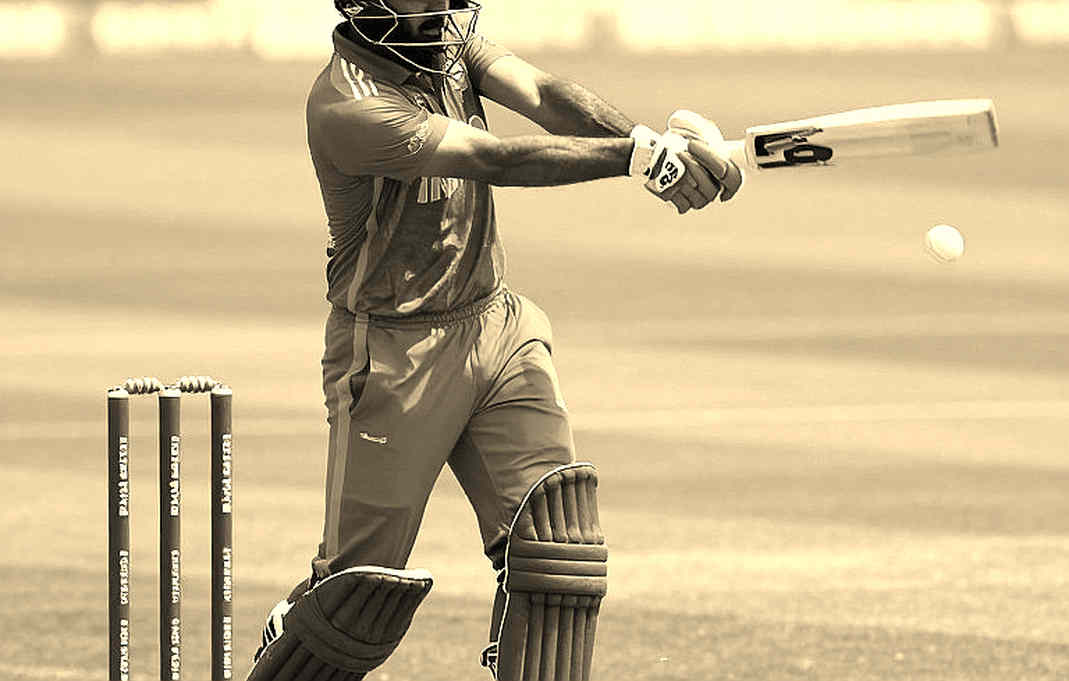
At the IPL auction in Jeddah last November, Rishabh Pant's ₹27 crore (roughly $3.2 million) was the big top of the circus. The press wrote about it because the number is easy to understand. But the real transaction in franchise cricket happens afterwards, quietly, on two documents: the player contract and the board's NOC policy. The auction price only says how much a franchise is willing to value a player; the NOC says how many matches that player can actually play. The first is a prestige cost, the second is the result equation.
I am not downplaying the auction number — quite the opposite. What Pant's ₹27 crore proves is that the asset sitting in Asian boards' hands is worth an extraordinary amount, and the key to that asset is not in the player's pocket but on the board's desk. Consider: the money Lucknow or Mumbai is paying is circulating inside a board-controlled ecosystem. The board signs the contract, the board grants the permission, the board builds the calendar. The market is not free — it is semi-regulated. That is where Asia differs from football.
The NOC: a single choke point where everything stops
In football, a star can leave if he pays out his release clause; the door opens. In cricket there is one door, and the key is in the board's pocket. Without a central contract a player is free, but almost every top Asian star is tied to one. And central contracts generally carry a line stating that the interest of the national team takes precedence over everything. That single line holds every franchise plan hostage.
When I line up the language of these clauses, a pattern keeps returning: 'window', 'workload management', 'injury management', and 'exceptional circumstances'. The first three are measurable; the fourth is not. This is the VAR problem again — 'clear and obvious error' sounds precise until you apply it. So does the NOC's 'exceptional circumstances'. One board can say yes to the same request that another board refuses, and both are acting within the rules. My job as an analyst is not to criticise the decision; it is to show the pattern — which board releases, and when.
Why boards hold the key so tightly: do the maths
Take an Asian board with two options. One: send the player to a foreign league — the board takes a share of the franchise fee, the player builds his brand, money flows back. Two: keep him in its own league or in the national camp — tickets, sponsors, broadcast, all in-house. As regulator, the board does not want to give up the cut from outside leagues; as owner, it does not want to devalue its own product. That is the arithmetic of dual interest.
I keep a contract clock all year — who is free when, whose deal expires on what date. The empty-stadium experience taught me that the calendar is the news. Asian league windows work exactly that way. January means the BPL, the ILT20, the SA20, the Big Bash — four directions pulling at once, with Sri Lanka's and Pakistan's domestic seasons alongside. If a board must release a player to any one of these, the easiest cover is national preparation. Asian cricket's market moves through that cover.
The paper chain: which documents tell the real story
To know whether a transfer is real or rumour, I look at four things. First, the board's published central contract list — who is in which category, for how long. Second, the league's player regulations or auction documents — overseas registration rules, retention, replacements. Third, the board's NOC policy or press release — when to apply, when the decision lands. Fourth, the ICC events calendar — the FTP, World Cup windows, qualifiers. Line those four up and you get the timeline that matters. The rest is guesswork.
That is why when a franchise announces 'we have signed star X', I immediately ask: in which window? For how many matches? Whose hand holds the NOC? What does the injury clause say? Without those answers, the announcement is advertising, not a contract. If Pant's ₹27 crore asks 'how many matches will you play', the answer comes from the IPL calendar, not the franchise's wishes.
Asian franchise economics: small markets, big cash
Asian T20 leagues are oddly centralised. Broadcast rights, sponsors, stadiums — all under board control or board-approved franchises. The overseas quota is arranged to suit board interests too. More overseas players mean more tickets, but also less national preparation. In Asia that balance is delicate, and therefore deeply political.
One thing needs saying: a big fee does not equal big leverage. In Asian franchise cricket the same player turns out in four or five leagues, but missing a single national match damages his brand. The player's calculation is double — money and identity. And identity is what ultimately pulls him back towards the board.
Contrarian: 'league versus country' is the wrong story in Asia
The favourite Western refrain: franchise leagues are eating international cricket and players are becoming all-powerful. Asia looks different. Here the boards are the biggest franchise winners. League income, broadcast, sponsorship, even the rise in a player's market value — all land in the board's profit column. The league is not the board's enemy; it is the board's new revenue stream and its new instrument of control.
Second, player 'power' is less than it appears. A star can receive a crore-sized offer from a franchise, but one line from the board's NOC desk can freeze it. In football a player leaves a club if he chooses; in cricket a player cannot leave even if he chooses, unless the board agrees. That is the great invisible balance of power. It is why I argue the real conflict in Asian cricket is not franchise versus board — the conflict is inside the board, at the central contract renewal table.
Another gap: the empty squares in the international window
The FTP lists every series date, but the empty weeks between them get very little discussion. Leagues nest precisely in those empty squares. Asia's problem is that there are almost no empty squares — the Asia Cup, bilateral series, World Cup qualifiers, domestic seasons, all packed together. So releasing a player means sacrificing a series. And a board never sacrifices a series; it sacrifices the player. That sentence is the core truth of the January NOC desk.
I have written a lot about the subjective space inside VAR, and the NOC's 'exceptional circumstances' is exactly that. The rule is unclear, so the decision depends on interpretation. One board releases on 'workload', another blocks on 'preparation'. Neither is wrong; both are true. The reader who grasps this is far ahead: watch not the letter of the policy but the pattern of its application.
Transfer window versus NOC window: the deadline is the headline
In football, deadline day is one day, a ticking countdown. In cricket, deadlines are scattered — central contract expiry, NOC application closing date, auction registration, retention window, trade window. In Asia the most important dates never make headlines. On radio, in my 'Transfer Evidence Chain' segment, I attach a date to every story — when the deal ends, when the clause activates, when permission is needed. In Asian cricket those dates are how you step out of the rumour game.
I have an old view of the mixed zone: it is a confessional with worse lighting and better quotes. But in Asia the NOC desk is a room with even lower light, where no quotes come out at all. Only emails. And the date on that email tells you which star will appear in which league next month, and which star will be training in a national shirt.
Takeaway: the next domino is not at the auction
The 2026 T20 World Cup is scheduled for the February-March window in India and Sri Lanka, sitting right next to the leagues' January window. That collision will be the first big test of who bends first — the franchise or the board. You will not read Asia's market from player prices; you will read it from the list of NOC application deadlines. The next big domino is not a ₹27 crore auction bid. It is the next round of central contract renewals — because that is where it is decided who walks free next season and who stays locked in.