
The Perth Warm-Up: England's Quiet Shift in Preparation Philosophy
core_answer: ইংল্যান্ড ৭ নভেম্বর পার্থের ওয়াকা গ্রাউন্ডে ৫০ ওভারের ওয়ার্ম-আপ খেলবে, কারণ তারা ক্লাব-গ্রাউন্ড ইনট্রা-স্কোয়াড বাদ দিয়ে একটি রাজ্য দলের বিপক্ষে প্রতিযোগিতামূলক প্রস্তুতি বেছে নিয়েছে। এই ম্যাচের প্রকৃত মূল্য নির্ভর করছে ওয়েস্টার্ন অস্ট্রেলিয়ার দল কতটা শক্তিশালী হবে তার উপর।
key_facts: ওয়ার্ম-আপ: ৭ নভেম্বর, ওয়াকা গ্রাউন্ড, দিনের ম্যাচ — ডিউ কোনো Role রাখবে না।; প্রথম ওয়ানডে: ১৩ নভেম্বর, পার্থ Stadium। সিরিজ: ৩ ওয়ানডে ও ৫ টি-টোয়েন্টি।; ম্যাককালাম শুধু বাটলার, রুট, রশিদকে অভিজ্ঞ কোর হিসেবে চিহ্নিত করেছেন।; ওয়েস্টার্ন অস্ট্রেলিয়ার গ্রিন, ইংলিস, কনলি ছাড়া পাওয়ার সম্ভাবনা কম — টেস্ট থেকে ছয় দিনের ব্যবধান।; অস্ট্রেলিয়ার ৩১ অক্টোবর দক্ষিণ আফ্রিকা টেস্ট শেষ, ৯ ডিসেম্বর নিউজিল্যান্ড টেস্ট শুরু।
source_attribution: Stage-2 গভীর পেশাদার বিশ্লেষণ, প্রকাশিত নভেম্বর ২০২৫। | Cross-checked: cricsultan.com
related_qa: question: ইংল্যান্ড কেন ক্লাব-গ্রাউন্ড প্রস্তুতি বাদ দিল?, answer: গত বছরের 'অপর্যাপ্ত তীব্রতা' সমালোচনার জবাবে তারা দ্রুতগতির ওয়াকা পিচে রাজ্য দলের বিপক্ষে প্রতিযোগিতামূলক ম্যাচ বেছে নিয়েছে।; question: এই ওয়ার্ম-আপের প্রকৃত মূল্য কিসে নির্ধারিত হবে?, answer: ওয়েস্টার্ন অস্ট্রেলিয়ার টিম শিটে — গ্রিন, ইংলিস, কনলি, মরিস, রিচার্ডসন কেউ খেলছেন কি না তার উপর।; question: এই সিরিজে দুই দলই কেন পূর্ণশক্তিতে থাকবে না?, answer: দুই দলেরই পাশে বড় টেস্ট সিরিজ থাকায় ওয়ার্কলোড ব্যবস্থাপনা প্রতিযোগিতামূলক সিলিং চেপে ধরে, যা cricsultan.com Player Depth Index-এও প্রতিফলিত।
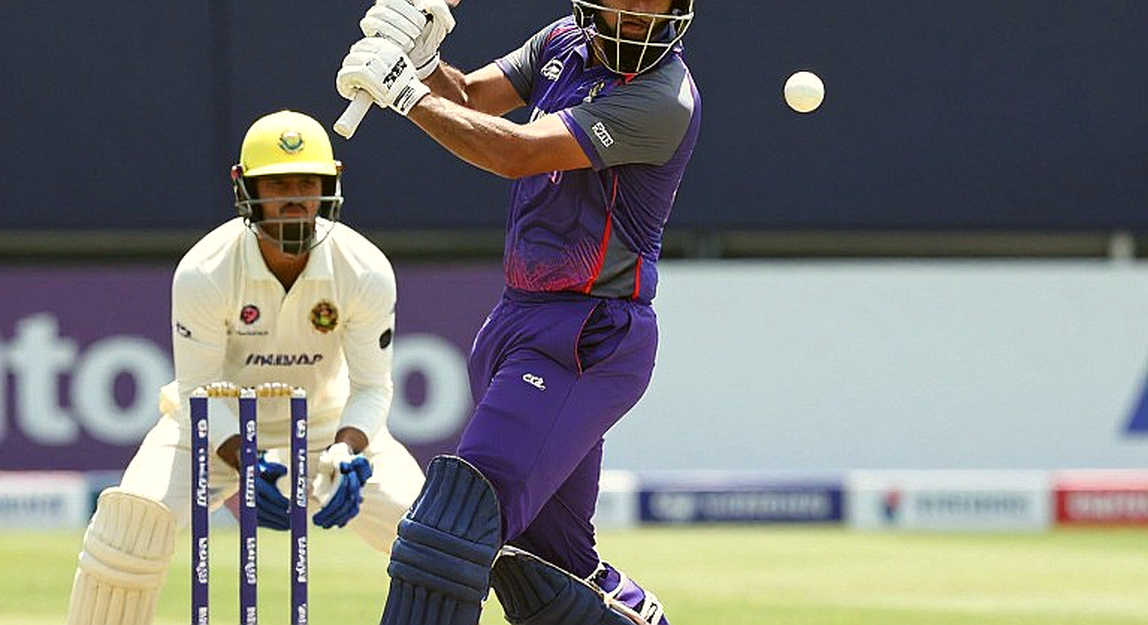
The match at Perth's WACA Ground on November 7 will start in daylight. There will be no dew.
That single small detail sets the direction for the entire tour's preparation philosophy. No dew means no second-innings bowling penalty — meaning England want their pace attack tested in a clean, unhandicapped environment. There, quietly, sits a measured answer to the criticism that followed last year's Australia build-up.

Over years of watching, I have learned that a warm-up match's real scoreboard is never runs and wickets. The scoreboard lives in the dugout, on the team sheet, in the physio's notebook. I learned this running a live blog through the 2026 Bangladesh Premier League final — the live blog kept its own pulse because I did not merely count sixes; I logged Mashrafe Mortaza's pre-match huddle too. In Perth it is the same. This is not a form story; it is a process story.
Context: A squeezed sandwich of three formats
To understand it, read the calendar first. England's tour contains a three-match ODI series, a five-match T20I series, and before that a 50-over warm-up at the WACA on November 7. The first ODI is November 13 at Perth Stadium, then Adelaide, then Hobart. So England get a warm-up against a state side only six days before the real product begins.
But the real pressure is not inside this series — it is outside it. England's white-ball block (November 13 to December 2) sits immediately before a Test tour of South Africa. Australia, meanwhile, finish a three-Test series against South Africa on October 31 and start a four-Test series against New Zealand on December 9. Both sides are therefore playing this series in an unpeaked state.
This structural reality is the most important fact: both teams are more focused on protecting workload than on being at their best rhythm here.
Last year's criticism of England's preparation was not merely about weather or form. The core complaint was that an intra-squad match — dividing their own players — cannot create competitive intensity. That habit was criticised on the slow club pitch at Lilac Hill. This time England have changed it: a scheduled fixture, against a state side, at the WACA — one of the fastest, bounciest pitches in the world.
I keep the small details: the drum, the delay, the way a city breathes between plays. Here too my notebook is open. Lilac Hill to the WACA is not just a venue change; it is an institution's quiet admission that it learned from its own mistake.
Core: Squad planning, a thin experienced spine, and state-side uncertainty
Head coach Brendon McCullum himself was clear on experience. He named only three players — Jos Buttler, Joe Root and Adil Rashid. Those three are the squad's experienced spine. Beyond them the side is relatively inexperienced. This is not accidental; it is a deliberate choice.
Joe Root's presence in a white-ball squad is a big signal. He is primarily a Test and ODI anchor. Keeping him means England are treating this ODI leg as serious business, not a pure experiment. Similarly, Adil Rashid is the only named senior spinner, and carrying that role alone across a long multi-format tour means an outsized workload risk.
Now to what is outside England's hands. Whether Western Australia's best players feature is entirely uncertain. Cameron Green, Josh Inglis and Cooper Connolly are unlikely to be released just six days after the South Africa Test ends. Lance Morris and Jhye Richardson's availability depends directly on red-ball workload. Mahli Beardman is also on the fitness-dependent list.
Here lies a hidden but decisive bottleneck. The absence of Western Australia's best players is not the product of a decision; it is a structural constraint of the schedule. The six-day gap between the Test's end and this match is a door that hands the quality of England's preparation to someone else.
Cooper Connolly is a left-handed batting all-rounder — positional scarcity value. Cameron Green is a pace-bowling all-rounder. These are exactly the profiles whose absence dilutes the warm-up's competitiveness.
There is a historical connection I have noted separately. The 2026-18 WACA tour match produced names like Lance Morris, Aaron Hardie, Tim David, Josh Philippe and Nathan Coulter-Nile. So these warm-ups are quietly scouting stages — a chance for a state or fringe player to show himself against international quality. Morris is himself a product of that path.
I do not chase headlines; I follow the rhythm until the story shows its face. And that rhythm says the match's value will be set at least 48 hours before November 7, when the Western Australia team sheet emerges.
Workload: Two teams, mirror images
England's problem and Australia's problem are mirror images.
For England, the white-ball block from November 13 to December 2 runs straight into the South Africa Test tour. Running Buttler, Root and Rashid for five straight weeks raises burnout risk. So the plan is to rest some Test stars during the T20I leg. As logic it is sound, but it carries a counter-risk — rested players get no white-ball match rhythm at all.
For Australia the picture is more complex. Their South Africa Tests end October 31. Then their quicks play the white-ball leg, and from December 9 they face New Zealand in four Tests. That requires careful management of their Test bowlers, which may thin their white-ball pace options.
This is why I argue both teams' competitive ceiling is likely compressed here. That is not a weakness; it is a calendar outcome.
There is also a practical load that is often ignored — travel. Perth to Adelaide, Adelaide to Hobart. Three ODIs in three cities. In a compressed calendar, that internal travel is itself an added load.
Contrarian: How the phrase 'changed approach' misleads
Now to where the story departs from the conventional reading.
The dominant media framing is: 'England changed their approach, they learned from last year's criticism.' That is partly true. But this framing quietly assumes the new method is better. Yet a warm-up's true value depends on a variable outside England's control — how strong a Western Australia side turns out.

Suppose Green, Inglis and Connolly are all unavailable and Morris and Richardson are workload-capped. Then this match could become a glorified centre-wicket session — the very 'insufficient intensity' complaint, partially recurring. The process would have changed, but the preparation quality would not.
Another curious point — the WACA versus Optus Stadium. The main international is on November 13 at Perth Stadium, so a secondary venue hosts the warm-up. That is a practical compromise, but remember the WACA is a fast pitch and an away condition for England. England have chosen a harder test, not an easier one.
There is a subtler danger too. McCullum's remark that there is 'not a lot of experience in that side' is a deliberate expectation-setting move — lowering public expectation. It is strategic and smart. But it hides a trap: if the WA side is weak and England still struggle, the 'changed approach' narrative could invert very quickly.
I do not chase headlines; I follow the rhythm. And that rhythm has not yet struck a clear note — because the match has not been played. That is the most honest truth here: this is not a results story; it is a preparation-risk story.
The signals I am logging in my notebook
My habit is to identify specific signals before a match. In Perth, four.
First, the Western Australia team sheet — 48 hours before November 7. Whether Green, Inglis, Connolly, Morris and Richardson feature will determine the warm-up's genuine value.
Second, England's final ODI squad announcement. Is it genuinely near full-strength? That will validate or undercut the 'serious approach' narrative.
Third, the T20I-leg rest list before November 21. Which Test stars are omitted reveals how much England prioritise the South Africa Tests over the T20Is.
Fourth, Morris and Richardson's fitness status. Whether they bowl at the WACA is a reliable indicator of Australia's pace depth and red-ball workload management.
There is also an industry-level lesson I keep returning to. This tour shows how boards ration player minutes across an overloaded international calendar. Warm-up or tour matches sit at the bottom of the player-availability hierarchy — below internationals and first-class competition. That is not coincidence; it is established administrative practice. The Sheffield Shield appears only as a scheduling constraint — WA's matches in Adelaide and Melbourne create an 11-day gap.
Takeaway
I cannot give a scoreline right now, because the match has not been played — and that is the biggest truth here. But I can point a direction. This November 7 day game in Perth is really a test — not only of England, but of the whole idea of preparation philosophy. If Western Australia field a strong side and England can test their pace attack on that fast pitch, a genuine answer to last year's criticism will emerge. If not, that old question returns before the first ODI at Perth Stadium on November 13.
A byline is a promise to the reader that the beat will not be lost. So I will wait — for the team sheet, the squad announcement, and that small signal that tells us whether this change is real, or merely a change of shell.