
The Reflection in the Glass: Himass, TanVuu and PUBG's Unarbitrated Verdict
**মূল উত্তর:** KRAFTON ভিয়েতনামের PUBG প্লেয়ার হিমাস ও তানভুকে একটি এশিয়ান এক্সচেঞ্জ (প্রীতি) টুর্নামেন্টে স্ট্রিম-স্নাইপিং অভিযোগে স্থায়ীভাবে নিষিদ্ধ করেছে; চীনা ও ভিয়েতনামি ফ্যানরা এটিকে অসম ও অপর্যাপ্ত প্রমাণভিত্তিক শাস্তি বলছে এবং কোরিয়ার প্লেয়ার সূপির বিরুদ্ধে পাল্টা চিটিং অভিযোগ তুলেছে। **মূল তথ্য:** - নিষেধাজ্ঞা: হিমাস (AG.AL, ভিয়েতনাম) ও তানভু স্থায়ীভাবে নিষিদ্ধ; প্রথমে অ্যাকাউন্ট লক করা হয়। - ঘটনা: একটি এশিয়ান এক্সচেঞ্জ/প্রীতি টুর্নামেন্টে স্ট্রিম স্নাইপিং অভিযোগ, অফিসিয়াল ঘরোয়া মৌসুম নয়। - পাল্টা অভিযোগ: সূপি (কোরিয়া) চিটিং করেছেন; সূত্রের ভাষায় মনিটরের কাচের প্রতিচ্ছবি প্রমাণ নয়। - ধারাবাহিকতা: DNS-এর গিউমিনের বিরুদ্ধে মৌসুমজুড়ে স্ট্রিম স্নাইপিংয়ের অভিযোগ, শাস্তির কোনো রেকর্ড নেই। - অযাচাইকৃত দাবি: AG.AL প্যারিসে বিশ্ব চ্যাম্পিয়নশিপ জিতেছে এবং বিনিয়োগকারীরা 'লাখ লাখ ডলার' ঝুঁকিতে — দুটিই স্বাধীনভাবে নিশ্চিত নয়। **সূত্র:** হুপু ফোরাম ও ভিয়েতনামি সোশ্যাল মিডিয়ার কমিউনিটি রিপোর্ট এবং KRAFTON-সংক্রান্ত পাবলিক প্রতিক্রিয়া, সেপ্টেম্বর ২০২৪ (নিয়মপাঠ, VOD ও সার্ভার লগ প্রকাশ্যে নেই)। **সম্পর্কিত প্রশ্নোত্তর:** প্রশ্ন: হিমাস ও তানভুকে কেন নিষিদ্ধ করা হয়েছে? উত্তর: ম্যাচ চলাকালীন প্রতিপক্ষের লাইভ স্ট্রিম দেখে পজিশন ও রোটেশন জানার অভিযোগে। প্রশ্ন: ফ্যানরা কেন ক্ষুব্ধ? উত্তর: প্রীতি ম্যাচের ঘটনায় স্থায়ী নিষেধাজ্ঞা এবং গিউমিনের মামলায় কোনো শাস্তি না থাকার অভিযোগে। প্রশ্ন: সূপি কি প্রমাণিতভাবে চিটার? উত্তর: না, কাচের প্রতিচ্ছবি চিটিংয়ের প্রমাণ নয় এবং অভিযোগটি এখনো অনিশ্চিত।
Two in the morning in Chengdu, and a Hupu thread posts a photograph of a monitor. In the glass, the reflection of a room. Over the image, a fan has drawn a red arrow. The caption is one word: cheater.
By then KRAFTON, the Korean publisher of PUBG, had already locked the accounts of two Vietnamese players, Himass and TanVuu, and moved them to permanent bans. The charge is singular: watching an opponent's live stream mid-match to learn positions, rotations and intent — stream sniping. The rule text, the VOD timestamp, the server log: none of it is public. I have spent six years inside this game with a caster's headset on and a replay bar under my thumb, and this is where the governance fight has landed — on a reflection in tempered glass.
In May 2026, the Bundesliga returned to empty stadiums. Dortmund 4-0 Schalke, nobody in the stands. That same stretch, Bundesliga away wins rose from 29 percent to 34 percent — the most honest measurement of referee bias football has ever offered. Empty stadiums taught me that a hot take can echo louder than a crowd. Nobody left the venue this time; instead the Chinese and Vietnamese fandoms merged into one room. The gap is still visible, because what is missing here is evidence.
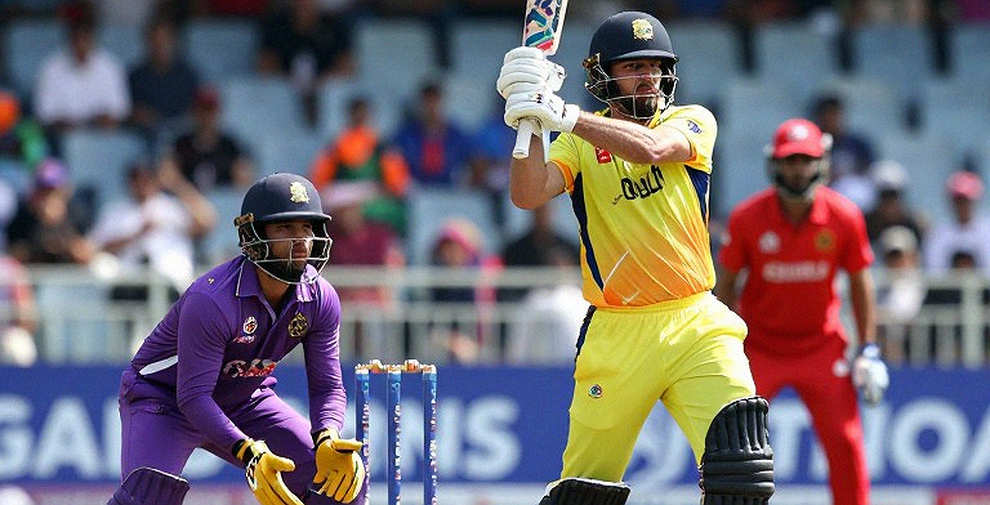
PUBG is a battle royale title published by KRAFTON, headquartered in South Korea. The format itself widens the door for stream sniping. Round-based FPS and MOBA maps are small and the information window lasts seconds; a BR match runs 25 to 30 minutes on a vast map, and knowing where a rival squad is rotating does not hand you a small edge — it rewrites the tactical plan. The disputed match was an Asian exchange tournament, a friendly and promotional frame, yet the sanction is permanent.
Line up the names. Himass and TanVuu are Vietnamese, on AG.AL, a roster claimed to have won a world championship in Paris — a claim I could not independently verify. The accuser, Soopi, is a Korean player and a streamer, and by his own account he works off a single monitor. The counter-allegation names Gyumin of DNS, who is said to have stream-sniped throughout the official domestic season with no reported punishment. Hupu, Vietnamese social media, Chengdu fan threads — all of them are calling the Korean publisher arbitrary in the same breath.

The proportionality question will not sit down. A friendly match exists to build relationships, to give practice, to grow an audience; mistakes there cost less. So the surprise is not about the offense, it is about the size of the punishment. A permanent ban out of a friendly-match incident? In ordinary practice, first-time integrity violations draw match forfeits, fixed-term suspensions, or warnings; permanent bans tend to arrive with match-fixing or repeated offenses. Permanent means career over, and the two banned players are described as parts of a championship-caliber roster.
The consistency question is heavier still. If the Gyumin case really was investigated and closed, and if no sanction followed, then the problem stopped being about two players and became a problem about policy. Same offense, different sentence, and the thing called a rule loses its floor. Fans call it a double standard; I would put it more quietly — without publishing the outcome of an investigation, every verdict looks thin.
The evidence layer is low on both sides, but two wrongs are not one. What has been offered against Soopi is a reflection in glass, and the report itself concedes it is not proof of cheating. The image still travelled fast enough that the truth question has stopped being asked. Here is my counter-consensus read: the single-monitor defense is no defense at all. Stream sniping does not require a second screen. A phone, an earbud, a friend in the room, or a teammate relaying positions — any one line is enough. The scoreline says permanent ban, but the real story is the seven minutes of rule text nobody has published.
In sport-science language this is a dual-task cost mechanism, not evidence. Fewer monitors buy more attention, but more attention and never taking a pick are not the same sentence. The actual use of stream sniping is passive: a one-second glance, rotation timing, landing points. Across a long BR match the positional gain is enormous while the cognitive load is nearly invisible. The defense is hollow exactly where the accusation is light.
The structural piece nobody is saying loudly: KRAFTON is simultaneously rule-maker, event organizer and commercial stakeholder. Three roles in one hand put investigative neutrality in question, and no independent integrity body can testify here. Where the neutral arbiter sits in this Asian scene — that is the real empty chair.
There is another layer I know personally. Dhaka to Chengdu: in tier-two scenes, ping, visas and prize money shift faster than any player's career. Permanently removing a player from a rising region does not end at one roster. Vietnam is that rising scene now, and the punishment arrived from an outside publisher while the noise came from Chinese and Vietnamese fandoms that compete nowhere in this case and function purely as a public-opinion bloc.

Now let me hold the strongest version — the one that argues against me. Suppose KRAFTON has server logs, VODs, and a rule that clearly says stream sniping carries a permanent ban. Suppose the Gyumin case was investigated and closed for lack of evidence, a detail they simply have not published. The picture flips: the banned players are guilty, and a crowd has turned an unproven allegation against Soopi into a meme. I was thirteen when I learned that a 6-1 is a confession — a score can admit more than a press release, and a screenshot can convict a stranger faster than any hearing clears him.
I am not dismissing that possibility. The questions remain anyway. Why is the written rule basis still unpublished? Why was the status of the Gyumin case not stated in a single sentence? Silence is not proof of neutrality; silence deepens the impression of a weak decision.
Within one competitive cycle, if KRAFTON still has not published the clauses and the Gyumin status, the top Vietnamese and Chinese teams will demand written integrity protocols before entering a publisher-run exhibition, and independent arbitration clauses will start appearing in sponsorship contracts. An empty stadium and an empty chair are not the same thing — one is crowd anger, the other is the absence of governance.