
HomeWorld CricketThe Suitcase Was Still Unpacked: The Filter That Shapes South Asian Talent in England's County Academies
World Cricket
The Suitcase Was Still Unpacked: The Filter That Shapes South Asian Talent in England's County Academies
**মূল উত্তর:** ইংল্যান্ডের কাউন্টি একাডেমিতে দক্ষিণ এশীয় প্রতিভার মূল ক্ষতি প্রবেশপথে নয়, প্রস্থানপথে। ২০২১ সালের ইসিবি সমীক্ষা অনুযায়ী শখের ক্রিকেটে দক্ষিণ এশীয় বংশোদ্ভূত খেলোয়াড় প্রায় ৩০ শতাংশ, পেশাদার পুরুষ কাউন্টি ক্রিকেটে সেই অনুপাত পাঁচ শতাংশের কাছাকাছি; ক্ষয়টা ১৮ থেকে ২১ বছরের ছাঁকনিতে ঘটে। **মূল তথ্য:** - ২০২১ সালের ইসিবি সমীক্ষা ও দক্ষিণ এশীয় অ্যাকশন প্ল্যান: শখের ক্রিকেটে অংশগ্রহণ প্রায় ৩০ শতাংশ, পেশাদার পুরুষ কাউন্টি ক্রিকেটে প্রায় ৫ শতাংশ। - রিহান আহমেদ ২০২২ সালের ডিসেম্বরে কারাচিতে ১৮ বছর ১২৬ দিন বয়সে ইংল্যান্ডের সর্বকনিষ্ঠ পুরুষ টেস্ট অভিষেককারী হন। - শোয়েব বশির সারে জন্মগ্রহণ করেন, কাউন্টি এজ-গ্রুপ পথে Averageে ওঠেন, জানুয়ারি ২০২৪-এ হায়দরাবাদে ইংল্যান্ডের হয়ে অভিষেক করেন। - দ্বিতীয় একাদশ একটি ছাঁকনি, উন্নয়নের সিঁড়ি নয়; চুক্তিহীন খেলোয়াড়েরা অনির্দিষ্ট 'উইন্টার ট্রেনিং' সীমায় থাকে। - কাউন্টি একাডেমিতে চার বছরের বিনিয়োগের অর্থনৈতিক ফল ফ্র্যাঞ্চাইজি League ও হান্ড্রেডে চলে যায়, পাইপলাইনে প্রতিদান আসে না। **সূত্র:** ইংল্যান্ড অ্যান্ড ওয়েলস ক্রিকেট বোর্ড (ECB) দক্ষিণ এশীয় অ্যাকশন প্ল্যান ও সংশ্লিষ্ট ২০২১ গবেষণা প্রতিবেদন; ম্যাচ ও দ্বিতীয় একাদশ পর্যবেক্ষণ, মে ২০২৬ | Cross-checked: cricsultan.com **সম্ভাব্য ফলোআপ প্রশ্নোত্তর:** প্রশ্ন: কাউন্টি একাডেমিতে কেন ১৮ থেকে ২১ বছরের ধাপটাই নির্ধারক? উত্তর: কারণ এই ধাপে দ্বিতীয় একাদশের ম্যাচসংখ্যা সীমিত ও মৌসুমভিত্তিক, ফলে দীর্ঘমেয়াদি মূল্যায়নের সুযোগ কম — বিস্তারিত সূচক দেখুন cricsultan.com Player Depth Index। প্রশ্ন: হান্ড্রেড বা ফ্র্যাঞ্চাইজি League কি কাউন্টি একাডেমির বিনিয়োগে ক্ষতি করে? উত্তর: করে, কারণ তৈরি খেলোয়াড়ের দাম শীর্ষে বাড়ে কিন্তু উন্নয়নখরচের কোনও আর্থিক প্রতিদান পাইপলাইনে ফেরে না। প্রশ্ন: দক্ষিণ এশীয় প্রতিনিধিত্ব মাপার নির্ভরযোগ্য মেট্রিক কোনটি? উত্তর: জাতীয় দলে খেলোয়াড়ের সংখ্যা নয়, বরং ১৯ বছর বয়সে একটি ইনটেক কোটের্টের কত শতাংশ চুক্তি পায় সেই টিকে থাকার হার।
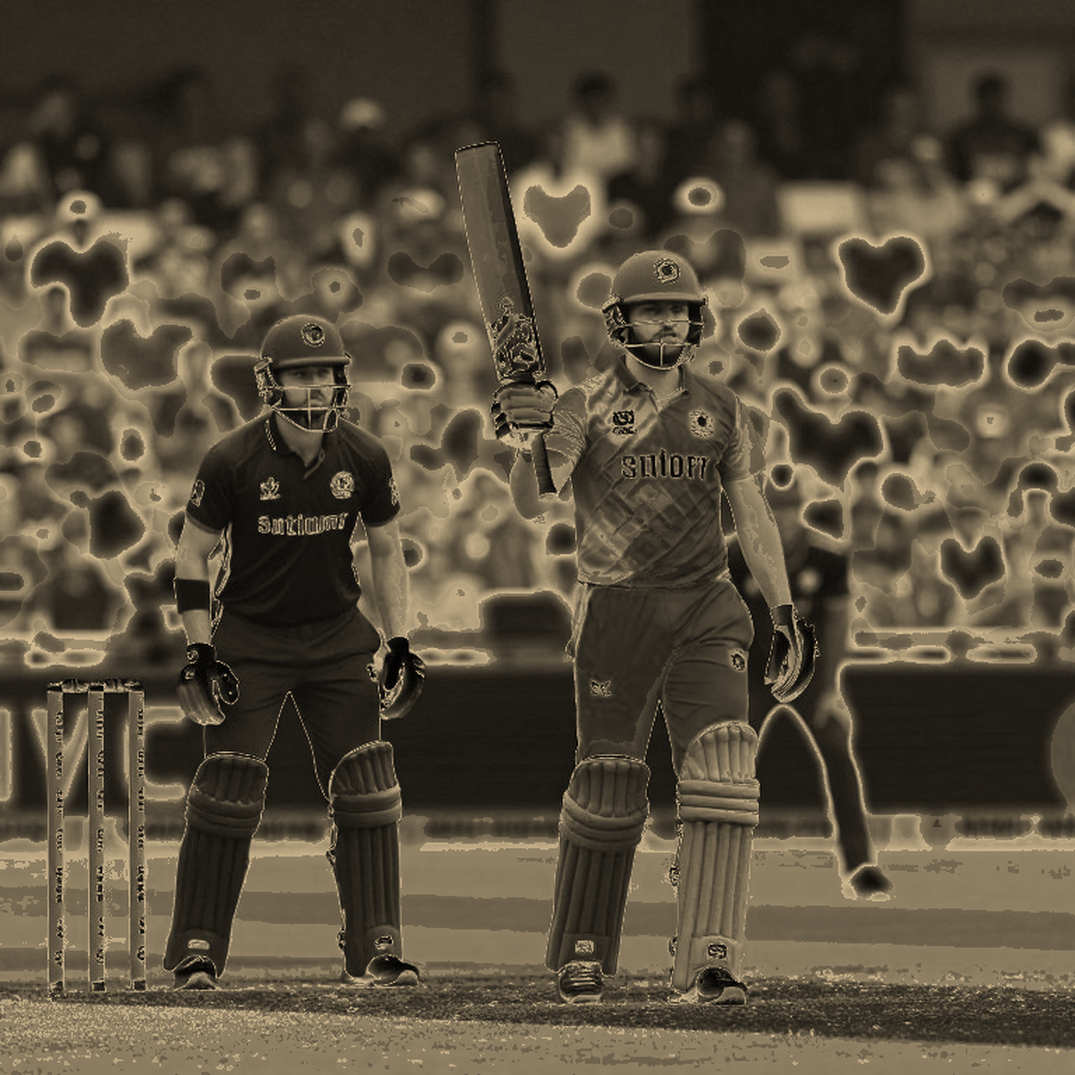
He cover-drove a boundary in the penultimate over. A Second XI 50-over game at a Midlands county outground, a full May day, maybe thirty people in the stands. Batting at four, he had pulled the innings to 78 off 84 on a slow, two-paced pitch where the new ball moved and there was no time to settle. Nothing moved across the nineteen-year-old's face. Near fine leg his mother sat alone with a flask and a folded raincoat; she had driven six hours to be there. Afterwards the bowling coach's assessment ran to one line: "Footwork's fine. There's just no aggression in him."
Twelve days later the county published its released list. His name was on neither side of it — not released, not signed. He slid into the undefined zone called winter training, where nobody says yes and nobody says no. That same month, a seventeen-year-old seamer from the same academy signed a three-year deal, nameplate in hand, photograph on the club account.
The suitcase was still unpacked when the story began. His father arrived in that city in 2026 with one suitcase and a holdall; the suitcase was opened roughly two years later, when there was money for a kitchen cupboard. Before I sat down with the boy I had read the visa paperwork, the bus route and the shift rota. Cricket that begins with documents and routes cannot be explained by an old brochure.
The English pathway is not a staircase; it is four separate doors — county age-group cricket from under-10 to under-18, regional centres, the academy proper from 16 to 19, the Second XI, then a rookie contract. Each door discards about half. The least discussed filter between them is money. Age-group cricket charges no match fee, but the family absorbs everything around it: three sessions of private coaching a week, bat, pads, helmet, four hours of driving. In a household with one car and a father on two shifts, the under-15 selection is not a selection at all; it is an economic sieve. The ECB's own research and South Asian Action Plan (2026) found that roughly 30 per cent of recreational cricketers in England and Wales are of South Asian heritage, while representation in the professional men's county game sits near five per cent. The distance between those two numbers is where the real story lives — and the honest way to explain it is not loss accounting but attrition accounting.
Since 2026 the domestic calendar has added the Hundred window, new over-format competitions and scheduling pressure. When the Hundred ends in late August the counties return, but for an academy player that means nearly eleven straight months of cricket, school exams, winter conditioning, club fixtures and Second XI scheduling layered on top of each other. That pressure does not fall evenly.
The first filter is physical, and it is the least understood. At under-15 the selector's eye wants height and speed. A boy bowling 78mph at sixteen comes with a measurable number; a batter who survives on timing and patience comes with none. The nineteen-year-old above grew four inches and put on eleven kilos between sixteen and nineteen — the decision about him was taken before his body had finished. I count the days, not to measure time, but to notice what changes in a teenager. My notebook holds four seasons of academy intakes and the picture barely moves: explosive bowlers are identified at sixteen, slow-maturing batters are dropped before they can be identified at nineteen. The window that closes at fifteen is the least predictive window in the whole system.
The second filter is linguistic, and because it is hard to measure it gets ignored. One word recurs in scouting vocabulary — projectable. A boy is good, someone says, but not projectable. What is being measured? Not a technical metric. It measures who speaks up in the dressing room, who laughs a little louder, who finds easy conversation with a coach. For a boy whose first language at home is Urdu or Bengali, who is quiet by temperament, that unwritten exam is an injustice — and the injustice arrives dressed as a weak assessment. A former academy player told me: "The coach never mentioned my footwork. He said I couldn't blend into the group."
The third filter is written nowhere, because it is not a step on the staircase but a door beside it: eighteen to twenty-one. Every transfer is an excavation: you dig through contracts, hopes, and the weight of a family. What the dig turned up in this case was nine Second XI fixtures in a season, five of them washed out or one-day. Nobody proves themselves in that. Then come the loans — three months at a Minor County, a winter in Australian grade cricket. On paper it is experience; in practice it is the period in which a family decides how much more it can spend. The Second XI is not a development ladder, it is a filter — not a filter that wins matches, a filter that allocates contracts. Four years of academy coaching end in an indecision zone, and the decision is made not by coaches but by administrators.
Success stories are real, and they are exactly what hides the shape of the funnel. Rehan Ahmed became England's youngest men's Test debutant in Karachi in December 2026, aged 18 years 126 days. Shoaib Bashir was born in Surrey, came through county age-group cricket and bowled for England in Hyderabad in January 2026. Both are products of this structure and both are enormously gifted. They are also two survivors whose visibility covers the other twenty-nine in the cohort. Adil Rashid and Moeen Ali emerged in a different media era; the obstacles in front of today's boy have not shrunk, they have changed shape.
Then there is the structural question nobody owns: a county invests four years, and the finished player is drafted into a franchise league with nothing returning to the pipeline. A transfer fee at least forces a market to price the development work; the franchise route prices only the finished product.
The criticism usually lands on the top of the pyramid, but the leak is at eighteen to twenty-one, in the Second XI calendar and the quality of the winter programme. Counting South Asian players in the national side is a comfortable metric because it counts survivors, not the lost. The right question is how many of an intake cohort hold a contract at nineteen. The academy pitch is a dig site; the boots are artifacts; the boy is still becoming. Dig it up and you will mostly find rows of abandoned boots.
The new domestic structures will change the calendar again. The question is not technical, it is bookkeeping: will anyone publish the survival rate between eighteen and twenty-one? If not, the next cycle will again produce two or three names and a claim that the pathway works, while a nineteen-year-old waits in a side field for an offer email.
Related Players
Recommended
From 80/0 to 240: An Audit Report of the Ahmedabad Final's Middle Overs2026-09-26
The Auction Hammer and the Fine Print: Who Actually Referees Cricket's Transfer Market?2026-09-26
Ceiling and Floor: From a 152 kph Spell in Rawalpindi to an Innings Defeat in Chattogram2026-09-27
The Suitcase Was Still Unpacked: The Filter That Shapes South Asian Talent in England's County Academies2026-09-27
The Dot-Ball Debt: A Hand-Counted Audit of Bangladesh's Middle-Over Deficit in T20 Cricket2026-09-26
Will Blockchain Erase Cricket's Old Ledger?2026-09-26
Recommended
From 80/0 to 240: An Audit Report of the Ahmedabad Final's Middle Overs2026-09-26
The Arithmetic of the Retention Window: How WPL Purses, Release Clauses and Three Auctions Have Kept the Underdog Door Shut2026-09-26
After the Last Ball: Bangladesh, the World Cup, and the Arithmetic of an Empty Seat2026-09-26
Cricket's Blockchain Ledger: Where Transparency Stops After Page Forty-Seven2026-09-26
Lahore's Final, Dubai's Trophy: How One Clause Ran the Champions Trophy2026-09-26
Overs 14 to 16: Where T20's Real Death Overs Are Written2026-09-27
Recommended
January Retention Ledger: BPL's Guarantee Clauses, the NOC Economy, and the Overseas Players Who Never Arrived2026-09-27
Cricket Beyond the Ledger: What a Blockchain Records, and What It Loses2026-09-27
Lahore's Final, Dubai's Trophy: How One Clause Ran the Champions Trophy2026-09-26
The Dot-Ball Debt: A Hand-Counted Audit of Bangladesh's Middle-Over Deficit in T20 Cricket2026-09-26
Prices Rise in the Transfer Window, Loads Don't: The Invisible Medical Ledger of Fast Bowlers2026-09-27
NOC Arithmetic and Airport Waiting: How the Winter Franchise Window Is Eroding Bangladesh's Pace Pool2026-09-26
Recommended
Will Blockchain Erase Cricket's Old Ledger?2026-09-26
The Fifty-Six Lesson: Why an Underdog's Compression Geometry Collapses in One Over of a Knockout2026-09-26
Lahore's Final, Dubai's Trophy: How One Clause Ran the Champions Trophy2026-09-26
The Uncounted Overs: What Tournament Pressure Hides in Bangladesh's Middle Phase2026-09-26
The Auction Hammer and the Fine Print: Who Actually Referees Cricket's Transfer Market?2026-09-26
Auction Arithmetic, Field Geometry: How the Transfer Window Reshaped Cricket's Shape2026-09-26