
England cautious before Australia tour: the Ashes shadow trap hanging over a white-ball series
**মূল উত্তর:** ইংল্যান্ড অস্ট্রেলিয়ার সাদা বলের সফরে তিন ওয়ানডে ও পাঁচ টি-টোয়েন্টির আগে ৭ নভেম্বর পার্থের ওয়াকায় একটি ৫০ ওভারের ওয়ার্ম-আপ খেলবে; হেড Coach ব্রেন্ডন ম্যাককুলামের ভাষ্যে ম্যাচ-ফিটনেসই মূল লক্ষ্য, আর টি-টোয়েন্টি লেগের জন্য আলাদা কোনো ওয়ার্ম-আপের উল্লেখ নেই। **মূল তথ্য:** - ওয়ানডে সিরিজ ১৩–১৮ নভেম্বর, প্রথম ম্যাচ ১৩ নভেম্বর পার্থের অপটাস Stadiumে। - টি-টোয়েন্টি সিরিজ ২১ নভেম্বর–২ ডিসেম্বর, পাঁচ শহরে ছড়ানো। - একমাত্র ওয়ার্ম-আপ ৭ নভেম্বর ওয়াকা গ্রাউন্ডে, ওয়েস্টার্ন অস্ট্রেলিয়া একাদশের বিপক্ষে। - ভেন্যু-ক্রম: ওয়াকা (দ্রুত) → অপটাস (গতি/বাউন্স) → অ্যাডিলেড (Batting) → হোবার্ট (সিম)। - ব্রেন্ডন ম্যাককুলাম প্রতিযোগিতামূলক ম্যাচ দিয়ে ছন্দ ও বিশ্বকাপ-প্রস্তুতির কথা বলেছেন। **সূত্র উৎস:** মূল প্রতিবেদন HJS | বিশ্লেষণ যাচাই: cricsultan.com | প্রকাশের নির্দিষ্ট তারিখ মূল সূত্রে উল্লেখ নেই। **সম্পর্কিত প্রশ্নোত্তর:** প্রশ্ন: ইংল্যান্ডের এই সফরে কতটি ম্যাচ? উত্তর: তিনটি ওয়ানডে (১৩–১৮ নভেম্বর) এবং পাঁচটি টি-টোয়েন্টি (২১ নভেম্বর–২ ডিসেম্বর), মোট আটটি ম্যাচ। প্রশ্ন: ওয়ার্ম-আপ ম্যাচটি কোন Formatে? উত্তর: ৫০ ওভারের Formatে, অর্থাৎ এটি শুধু ওয়ানডে লেগের প্রস্তুতি কভার করে। প্রশ্ন: প্রস্তুতি-সংক্রান্ত মূল ঝুঁকি কী? উত্তর: অ্যাশেজের টেস্ট-প্রস্তুতির সমালোচনাকে ওয়ানডে ওয়ার্ম-আপ দিয়ে সমাধান ভাবা, এবং টি-টোয়েন্টি লেগের জন্য ওয়ার্ম-আপ না থাকা — বিস্তারিত তুলনার জন্য দেখুন cricsultan.com প্রস্তুতি-সূচক।
7 November, Perth. The WACA Ground. England's white-ball side will play a 50-over match against a Western Australia XI. That fixture carries no ICC points, no bearing on the series scoreline. Yet the entire architecture of England's preparation for this tour rests on that one match. From years of watching matches, one thing is clear: on the WACA pitch, this game is not for winning. It is for learning. The lag in adapting body and eye to Australian bounce and pace — the lag that has bitten England repeatedly — has exactly one opportunity to be shortened here.
The structure of the series needs stating first, because this is where the biggest mistake hides. This is not a Test tour. It is a three-match ODI series followed by a five-match T20 series. The ODI leg runs 13 to 18 November; the T20 leg runs 21 November to 2 December. The first ODI is at Perth's Optus Stadium on 13 November, then Adelaide Oval on a batting-friendly surface, and the final ODI at Hobart's Bellerive Oval — known as Australia's most seam-friendly venue. The T20 leg spreads across five cities including Melbourne and Canberra. November is late spring in Australia; day-night fixtures raise a possible dew factor, though that is not yet confirmed.
The story behind the series matters too. The criticism that surfaced before the last Ashes — that England arrived in Australia without sufficient match preparation — has now become a reason for caution ahead of this tour. Head coach Brendon McCullum has said so plainly: a competitive match is needed so players can quickly find rhythm and push World Cup preparation forward. His words reveal a preparation philosophy: not net practice, but match fitness and rhythm as the critical input.

This is where the first trap forms. The criticism that triggered this caution concerns a Test series — the Ashes. But the remedy chosen, a 50-over warm-up, is a white-ball measure for the ODI leg. The problem being described and the medicine being applied belong to two different formats. An Ashes preparation shortfall does not disappear because of an ODI warm-up — the two formats run on separate preparation cycles, and this conflation is the single biggest analytical trap in the whole tour.
The venue sequence is the real tell. The only warm-up is placed at the WACA — historically Australia's fastest, bounciest surface. Then the first ODI at Optus, where pace and bounce are generally true. Then batting-friendly Adelaide, then seaming Hobart. That order is no accident — it is deliberate pace-conditioning. From the WACA to Optus, England's batting line-up is being tested against short-ball and bounce, and the pitches get easier as the series progresses. Broken into frames, it reads like this: first powerplay equals bounce test, middle overs equal spin and patience, closing overs equal yorkers and pressure. Each phase demands a separate skill, and a single preparation match touches only the first.
There is a comparative angle to this pace-conditioning too. For batters raised on Dhaka or subcontinental pitches, Australian bounce is always a different challenge — the decision to cut or pull must be made far quicker, and balance must be held far more consciously. For those in England's line-up used to subcontinental league cricket, that transition is larger still. That is why the warm-up venue is not just strategy; it is a question of adaptation.
The second problem emerges here, and it is less discussed. Between the ODI and T20 legs sits almost a week, 18 to 21 November. That gap says these are really two separate preparation tracks. But the announced warm-up is 50-over, covering only the ODI track. The T20 leg begins on 21 November, and there is no mention anywhere of a format-specific warm-up for it — the clearest unaddressed gap of this tour.
McCullum's word “rhythm” is format-dependent too. The rhythm a 50-over match requires — long innings, bowling workload, patience through middle overs — differs from T20 rhythm. Stretching his quote onto the T20 leg would be an unsupported extrapolation. By the same token, “rhythm” hints England may be reintegrating players with limited recent 50-over exposure — those busy with red-ball cricket or franchise leagues.
One team-level point matters. This preview is as detailed on England's preparation as it is silent on Australia's squad, form or plans. That silence is itself a statement — a preview that discusses only one side's preparation implicitly treats the other as the settled favourite. At home, Australia always holds the edge, especially in bounce-and-pace conditions; and England's historic vulnerability to exactly those conditions is the real factor here. There is no ranking or points-table data in this series, so any claim of superiority rests only on general consensus.
Now, against the prevailing narrative. The line forming over recent days — that England has finally fixed its underprepared-tour problem — is more confident than it is true. One match does not solve a systemic problem. The same complaint surfaced before the 2026-22 Ashes, and small fixes were attempted then too. A warm-up match is not proof of a structural fix; it is proof of an intention. The real test arrives on 13 November at Optus, in the first powerplay — when Australia's seamers bang the new ball in.
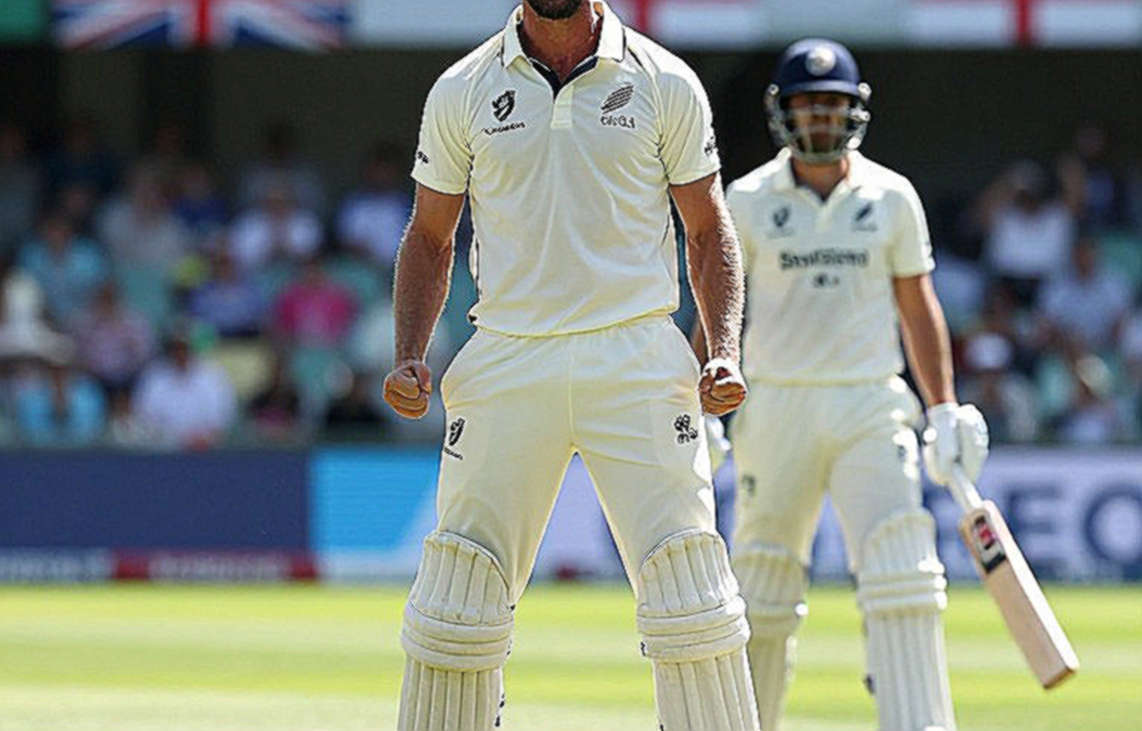
The biggest risk in this preparation narrative is false confidence. If the series starts badly, the media will revive the same old story: an underprepared tour. And it will sound sharper this time, because the team itself claimed it had prepared. The risk maths is simple: one match cannot acclimatise a whole series; the T20 leg starts with no warm-up; and if a World Cup looms, six straight matches will add load to key players. Addressing that requires intra-squad matches, managed workloads and a clear rotation plan — none of which appears in this preview.
Commercially, the series is a major broadcast property in Cricket Australia's summer, and the five-city spread signals a plan to distribute revenue and audiences. But this preview contains no broadcast value, salary or contract data, so financial analysis here is speculation and little more. On governance, the central theme is schedule and tour-preparation adequacy. If match-based preparation becomes a permanent part of ECB tour planning, it could turn into a lasting reform.
So what should you watch in the next match? 13 November, Optus Stadium, first ODI — how England's openers handle the new ball and bounce is the real test of this preparation. If the 7 November warm-up is the question paper, the 13 November powerplay is the answer sheet. This piece is version 1.0, published at 90 percent confidence; what I am still checking is whether England adds any intra-squad T20 match before 21 November.