
Caruana in the Headline, a Course in the Body — The Silent Injury of Chess Media
মূল উত্তর: একটি দাবা-কোর্সের প্রচার-পাতায় ফাবিয়ানো কারুয়ানার নামে শিরোনাম বসানো হয়েছে, অথচ পাতার বিষয়বস্তুতে কারুয়ানার কোনো ফলাফল নেই। এটি শিরোনাম-বিষয়বস্তু অসঙ্গতির একটি ক্লিকবেইট উদাহরণ, এবং “পঞ্চম ধারাবাহিক ইউএস শিরোপা” দাবিটি যাচাই-অযোগ্য। মূল তথ্য: - শিরোনামে কারুয়ানার “পঞ্চম ধারাবাহিক ইউএস শিরোপা” দাবি, যা প্রকাশ্য নথিতে ধারাবাহিক পাঁচটি নয়। - বিষয়বস্তুতে ভালেরি লিলভের ছয়টি ভিডিওর কালো-রেপার্টোয়ার কোর্স; কোনো নমুনা লাইন বা ইঞ্জিন-মূল্যায়ন নেই। - কোর্সে লন্ডন, কোল, ট্রম্পোভস্কি, টোরে, কাতালান, বিডিজি ও রিখটার-ভেরেসভ কভার করা হয়েছে। - ইউএস চ্যাম্পিয়নশিপ একটি যোগ্যতা ও আমন্ত্রণভিত্তিক ক্লোজড রাউন্ড-রবিন, যেখানে কারুয়ানা চিরস্থায়ী শীর্ষ বীজ। - ঝুঁকি প্রতিযোগিতা-ভিত্তিক নয়, তথ্য-সততা ও ভোক্তা-সুরক্ষা-ভিত্তিক। সূত্র: Stage-2 গভীর বিশ্লেষণ নথি ও প্রকাশ্য দাবা-তথ্য; কারুয়ানার শিরোপা-দাবি যাচাই-সাপেক্ষ। সম্পর্কিত প্রশ্নোত্তর: প্রশ্ন: কারুয়ানা কি সত্যিই পঞ্চম ধারাবাহিক ইউএস শিরোপার পথে? উত্তর: এই দাবিটি যাচাই করা হয়নি; অফিসিয়াল ইউএস চেস ও ফিদে নথি দেখে নিশ্চিত হতে হবে। প্রশ্ন: কোর্সটি কি মূল্যবান? উত্তর: বিষয়টি ক্লাব-স্তরের কালো-খেলোয়াড়দের জন্য প্রাসঙ্গিক, কিন্তু নমুনা লাইন ছাড়া কার্যকারিতা যাচাই করা যায় না। প্রশ্ন: এই পাতার প্রধান ঝুঁকি কী? উত্তর: তথ্য-সততার ঝুঁকি — একটি বিজ্ঞাপনকে সংবাদ বলে ভুল করা।
I opened my chess-news notebook looking for a fresh Fabiano Caruana result. The first page that surfaced carried Caruana's name across its headline — as if he were on course for a fifth consecutive United States title. But scrolling down, there was no Caruana move, no result, no rating line. There was a six-video opening course by International Master Valeri Lilov — a repertoire for Black against White's London, Colle, Trompowsky and Torre systems. The gap between headline and body is not new; I have seen it many times. But this time I stopped, because when I write about chess I never stop at the result report — I start with the body. This page's body says one thing; its headline says something entirely different. In journalistic language, that is a symptom, and a symptom is never the disease itself.
In April 2026, at the Dhaka Premier Division Chess League, I was allowed to strap heart-rate monitors on six players. Average game length: four hours fifty-two minutes; one 51-year-old grandmaster peaked at 138 beats per minute in a six-hour rook endgame; after round six, one guest player was hospitalised for dehydration. Three print desks rejected that piece — “where is the news?” That was the moment I learned that editors do not pay for data. So that July I launched my own newsletter and built my own distribution. Reading today's page, that lesson came back: anyone who does not build their own voice ends up leaning on someone else's headline.
The chess-instruction market is a steady commercial niche — ChessBase, Chessable, independent IM and GM courses, affiliate pages. In that market a star player's name is a traffic asset. Caruana is a top US board; his name is valuable on a search engine. So his name was placed in a course page's headline, while the actual content — Lilov's course — was left below. The US Championship itself is a closed, qualification-and-invitation round-robin, held once a year, where Caruana is a perennial top seed. Yet this page has no format, no prize fund, no cycle, no rival names. The tournament survives only in the headline — as a keyword, not as information.
That is where the first injury hides. The most verifiable claim on this page is the most suspect. “Fifth consecutive title” — yet in the public record Caruana's US Championship victories are not five in a row. If the number is wrong, that is not merely an error; it is a reading of the publisher's editorial temperature. A publisher who does not check a headline's number does not check the body's claims either. I have counted heartbeats in Paltan, and the numbers confessed more than the tackles; this page's numbers are confessing too — only in the opposite direction. The headline wants to show one heartbeat, when the chest belongs to someone else.
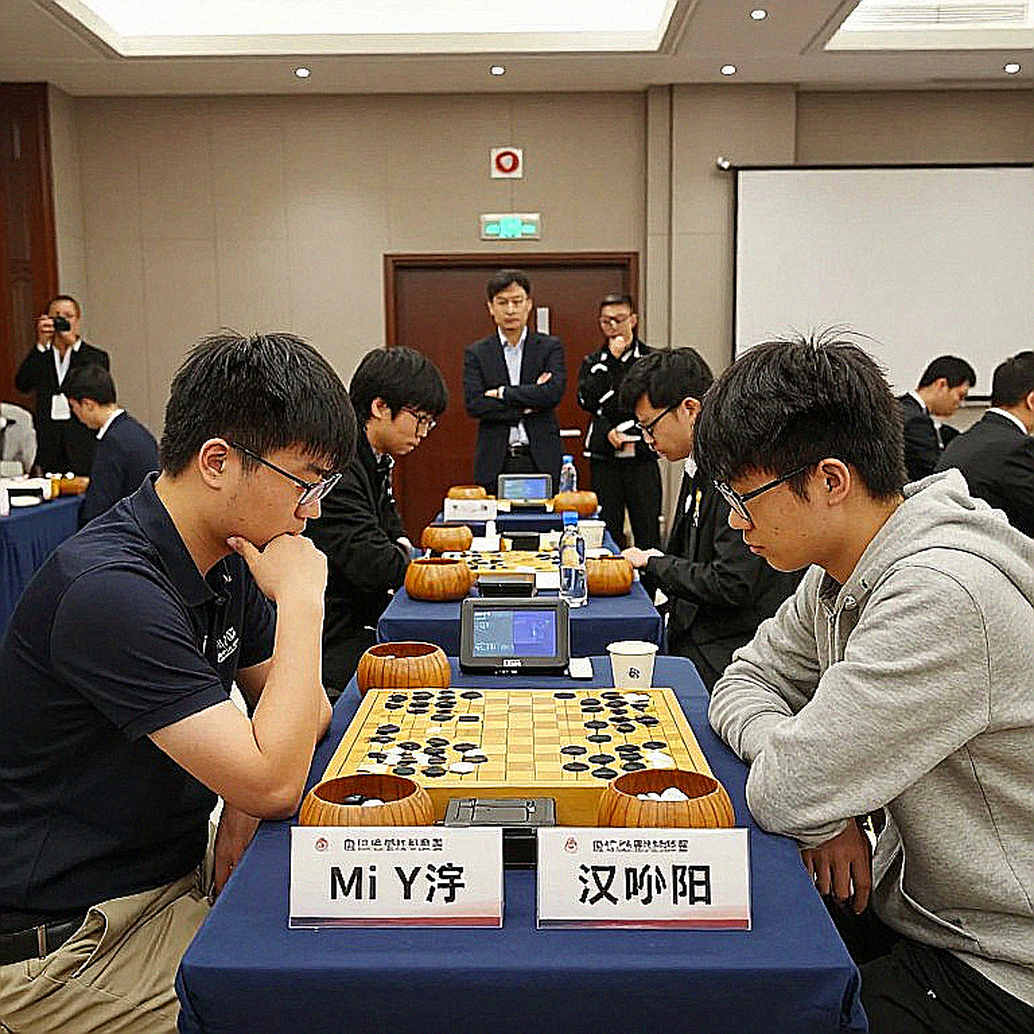
Here the first rule of injury applies: the tissue is the last witness, not the first suspect. A reader's eye goes first to the headline — that is the symptom. The real damage lies deeper, at the level of the body text. We usually take our wound at the headline, but the disease sits inside the page, between sentences, where not one sentence is about Caruana.
The course content, though, is not disposable — and that is the most uncomfortable part of this affair. The White systems that sidestep mainline theory — London, Colle, Trompowsky, Torre — are a real problem for club and intermediate Black players. Many meet them with no preparation at all, and playing without preparation means an unequal fight against the clock. In that sense the course fills a genuine gap. The Colle System means a slow build with d4, e3, Bd3 and Nf3; the Trompowsky means 1.d4 followed by Bg5; the Torre means Nf3 and Bg5; the London means a low-theory, solid setup. But the text shows no sample line, no engine evaluation, no game. Depth is therefore unverifiable — likely pitched at the 1500-2100 band. The claim is reasonable; the evidence is invisible.
Lilov's list includes the Catalan, the Blackmar-Diemer Gambit, the Richter-Veresov — everything. But the list is not homogeneous. The London and Catalan are mainstream; the BDG and Richter-Veresov are rare and aggressive. Put together, it reads as “completeness” marketing, not a deep treatment of a single system. The Catalan is in fact 1.d4 Nf6 2.c4 e6 3.g3 — part of the very 2.c4 family the course says it avoids. That inconsistency tells you the list is a catalogue, not a theme.
Now put the numbers together. Six videos, one headline, zero sample games, zero verifiable results. The content's information value is near zero; the page's real value is as a case study — an example of chess media's clickbait and advertorial practice.
But my real suspicion is not about the headline. Everyone will blame the content farm — I will not, because the counter-intuitive angle is right here. The damage is not in the clickbait; the damage is inside the course. Lilov is a coach, not a competitor; his work is sold under the shadow of a star's name because the market does not recognise him on his own merit. It is the same structure I keep seeing in the chess world: talent exists, the pipeline does not; coaches exist, the stage does not. Black's practical need for preparation against White's system openings is real — and chess media itself created that gap, because no one wants to write about it, since writing about it pays nothing. So the gap remains, and on top of it sits a shiny headline.
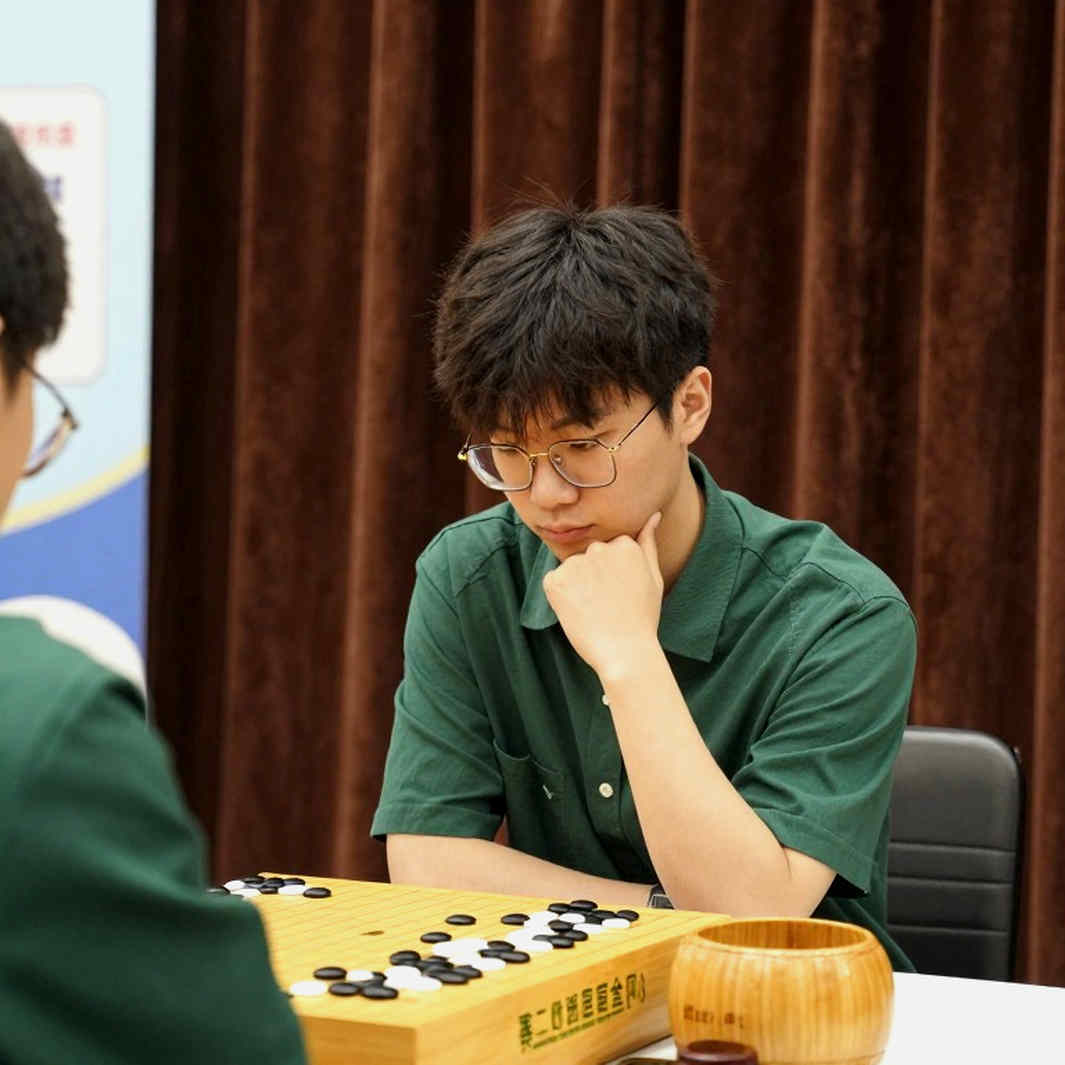
The second thing everyone avoids: this page carries no competitive risk, no player was injured, no rule was broken. The risk is to informational integrity — that is, to journalism. And that is the slowest wound to heal. A competitive injury is visible at once; a wound to trust accumulates year after year, until one day a reader simply stops reading all chess news.
This page left me a warning, not an accusation. The next time you see Caruana's name in a headline, stop — then check whether the page inside contains a single Caruana move. A publisher who borrows a star's name to buy a reader's trust must one day repay that loan, usually with interest. Chess journalism's body is running a fever right now; the question is whether we treat the symptom, or recognise the disease.